Anyone familiar with cannabis, CBD or herbal products already knows how quickly product terminology can become complicated. Oils have concentrations. Flower has percentages. Extracts have different processing methods. Packaging can look almost identical even when what is inside differs substantially.
Salvia divinorum creates a similar problem for first-time shoppers.
A search for salvia divinorum for sale can lead to dried leaves, powders, tinctures and concentrated extracts carrying labels from 5x to 100x. At first glance, it is tempting to treat those numbers as the entire comparison.
They are not.
The easier way to understand the category is to look at three things in order: identity, form and evidence.
Quick Guide
By the end of this article, you should understand:
- why plant identity comes before extract strength
- how plain leaf differs from concentrated material
- why an “x” number needs context
- what good product information should include
- how packaging and storage affect a botanical purchase
- which questions are worth asking before choosing between sellers
The Three-Part Quality Check
When a botanical listing looks complicated, use this simple framework:
Identity
What plant is actually being sold?
Form
What has been done to the plant material?
Evidence
What information supports the claims made on the page?
This sounds basic, but it prevents one of the most common buying mistakes: comparing two numbers before confirming that the two products are actually comparable.
Step One: Confirm the Plant
The first line worth finding is the botanical name.
In this case, that name is Salvia divinorum.
Salvia is a very large genus, so a product simply described as “sage” or “Salvia” leaves too much room for ambiguity.
The species name gives you a clear starting point.
This is a useful habit beyond Salvia too. Botanical products become much easier to compare when sellers provide precise plant identification instead of relying on nicknames or marketing terms.
Step Two: Work Out What Form You Are Looking At
Once the species is clear, identify the product format.
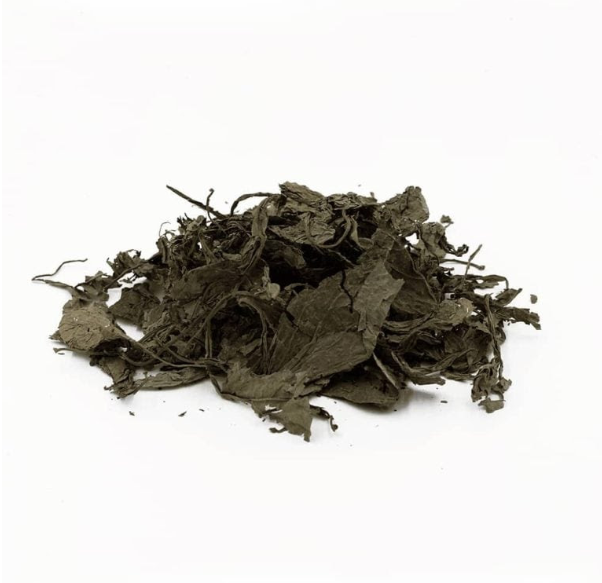
Dried leaf
This stays relatively close to the harvested botanical material after drying and preparation.
Powder
Powder changes the physical form of the material but does not automatically mean that it is a concentrated extract.
Extract
An extract has undergone additional processing intended to concentrate material from the plant.
Tincture
A tincture uses a liquid preparation rather than dry leaf material.
Why does this distinction matter?
Because a shopper cannot meaningfully compare a bag of plain leaf with a concentrated extract by looking only at package weight.
They are different forms of the product.
The Number on the Label Needs Context
Extract labels such as 5x, 10x, 20x, 40x and 100x are easy to understand at a glance: larger numbers indicate a higher stated concentration tier.
The problem begins when buyers assume that the numbers function like a universal laboratory scale.
Commercial botanical products do not always work that neatly.
Laboratory research on Salvia products has previously found differences between some advertised potency claims and measured salvinorin A concentrations.
Therefore, the useful question is not simply:
“Which number is highest?”
Instead ask:
“What does this seller mean by that number, and what other information supports it?”
That small change in thinking leads to a much better comparison.
The Product Description Should Do Real Work
Many online descriptions spend too much space telling readers that a product is “premium,” “powerful” or “high quality.”
Those words are easy to write.
Useful details require more effort.
A solid botanical-product page should tell you things such as:
- exact product form
- botanical identity
- package quantity
- extract designation where applicable
- physical appearance
- packaging
- storage recommendations
- shipping limitations
- legal restrictions where relevant
When those details are present, the shopper does not have to fill gaps with assumptions.
A Simple Quality Triangle
I find it useful to think about botanical quality as a triangle rather than a single score.
Product clarity
Can you understand exactly what you are viewing?
Product consistency
Do the description, photographs, package size and extract information agree with one another?
Seller transparency
Does the seller explain important details instead of hiding them behind marketing language?
If one side of that triangle is missing, the product becomes harder to evaluate confidently.
This approach also prevents buyers from treating price as a shortcut for quality.
Expensive does not automatically mean well documented, just as inexpensive does not automatically mean poor.
Why Photos Matter More With Botanical Products
Botanical materials naturally vary in color, texture and appearance.
That makes accurate photography useful.
A product page should ideally show enough detail for a buyer to understand whether the listing contains intact leaf, broken leaf, powder or coated extract material.
Good images also help answer smaller questions that descriptions sometimes miss:
- Is the material finely ground or coarse?
- Does the package appear sealed?
- Is the product itself shown clearly?
- Does the image match the quantity being advertised?
Images cannot replace testing or documentation, but they can make a listing considerably more transparent.
Packaging Deserves Its Own Check
A package has two jobs.
It needs to protect the product during delivery, and it needs to help preserve the material afterward.
For dried botanical products, unnecessary exposure to moisture, prolonged direct light and heat is generally undesirable.
Therefore, packaging information should not be treated as an afterthought.
When comparing two sellers, look for specific statements about how products are sealed and how the seller recommends storing them.
A vague product page often says nothing.
A useful one anticipates the question before the buyer has to ask.
How to Approach Very High Extract Labels
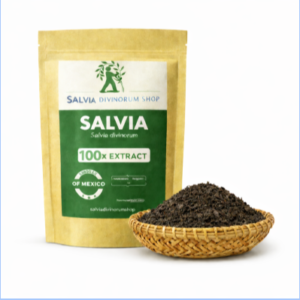
The larger the multiplier, the more tempting it becomes to focus exclusively on the number.
That is exactly when you should slow down.
For example, a shopper comparing a salvia divinorum 100x product should still check all the same basics:
- botanical name
- actual product form
- amount supplied
- explanation of extract strength
- clear photography
- packaging
- storage guidance
“100x” answers only one part of the question.
It does not automatically tell you whether the listing is clearer, whether the product is more consistent or whether the seller provides better documentation.
Five Questions Worth Asking Before Choosing a Seller
Does the seller distinguish leaf from extract clearly?
If every product uses nearly identical copy, that is not very helpful.
Can you tell exactly what quantity you are buying?
Weight or volume should be easy to find.
Does the seller explain its extract range?
A range of numbers without context leaves a first-time buyer guessing.
Are the images useful?
Product photography should show the actual form of the material.
Does the site acknowledge legal differences?
Regulations can vary between jurisdictions. Broad claims such as “legal everywhere” deserve extra scrutiny.
These five questions usually reveal more about a listing than reading the promotional headline several times.
Avoid Comparing Salvia Directly With Cannabis Potency
Readers coming from cannabis may instinctively look for a THC-style percentage.
However, Salvia divinorum is a different plant with different chemistry.
Its principal psychoactive constituent, salvinorin A, does not make Salvia a cannabinoid product, and an extract multiplier should not be interpreted as though it were a THC percentage printed on a regulated cannabis label.
Keeping those systems separate prevents a lot of confusion.
FAQ
Is Salvia divinorum cannabis?
No. They are separate plant species with different active compounds.
Is powder the same as extract?
Not necessarily. Grinding plant material into powder changes its physical form. Extraction involves additional processing intended to concentrate compounds from the plant.
Does 40x from one seller always equal 40x from another?
Not necessarily. Multiplier terminology is not a universal laboratory standard across every commercial product.
What does 100x tell a buyer?
It identifies a very high stated extract category. It should still be considered alongside product information, packaging, consistency and any available analytical details.
What should a beginner compare first?
Start with species identification and product form. After that, examine extract designation, quantity, seller transparency, photography, packaging and legal information.
Final Thoughts
The best way to compare Salvia products is not complicated once you stop trying to reduce everything to one number.
First identify the plant.
Then identify the form.
Finally, look at the evidence the seller provides.
That order matters because it keeps the comparison grounded in useful information rather than assumptions.
Whether someone is researching plain leaf or a concentrated extract, a clear product page should answer more questions than it creates. For first-time shoppers especially, transparency is one of the most useful quality signals available.

